




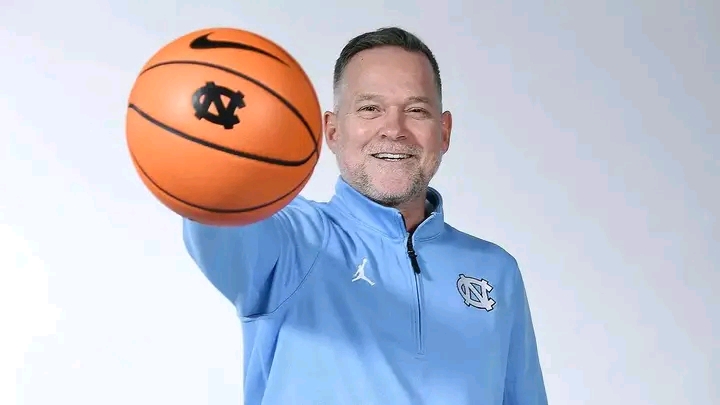
You cannot overstate what a day it has been for North Carolina basketball, as the program appears to have taken a major step forward in reshaping its roster and long-term identity under intense offseason pressure.
In a span of just hours, the Tar Heels delivered two significant wins in the transfer and retention market: securing the return of Jarin Stevenson and landing Neoklis Avdalas from the transfer portal. For a program like North Carolina Tar Heels, these moves are not just roster updates—they are foundation pieces that can define an entire season.
The first breakthrough came with the decision by Jarin Stevenson to remain in Chapel Hill. Stevenson, a highly regarded forward with strong upside, had been viewed by many programs as a potential breakout candidate if he chose to enter the portal or explore other opportunities. Instead, his return signals continuity and belief in the system. His length, defensive versatility, and improving offensive game give North Carolina an important modern frontcourt presence—exactly the type of player needed in today’s fast-paced college basketball landscape.
Shortly after, the Tar Heels struck again by landing Neoklis Avdalas, a highly skilled international guard known for his creativity, vision, and ability to operate under pressure. Avdalas brings a different dimension to the roster: a playmaker who can orchestrate offense, stretch defenses, and inject unpredictability into half-court sets. His arrival suggests North Carolina is not only reloading talent but also diversifying its offensive identity.
At the center of this pivotal day is Michael Malone, whose reported involvement or influence around the program has added another layer of intrigue. Michael Malone, best known for his leadership at the professional level, has long been associated with strong player development principles and disciplined team culture. Whether directly or indirectly connected to these roster moves, the alignment of his philosophy with North Carolina’s current direction is notable.
Individually, either Stevenson’s return or Avdalas’s commitment would have been considered a positive step. Together, they represent momentum—something every elite college program needs in an era defined by constant roster turnover and transfer portal volatility.
For recruits, returning players, and the coaching staff, this kind of back-to-back success sends a clear message: North Carolina is not rebuilding aimlessly. It is constructing a competitive, balanced, and modern roster designed to compete at the highest level immediately.
If this is truly the foundation of what is coming next, then the Tar Heels may have just turned one of their most important offseason days into a defining turning point.